This is the context where Retrieval-Augmented Generation (RAG) comes into play: an architectural approach combining generative models with information retrieval systems to build AI solutions that are more reliable, updatable, and observable.
Why Information Retrieval is Critical
Information Retrieval (IR) systems have existed for decades: search engines, indexed databases, and document systems. Their strength has always remained the same: retrieving relevant information based on a query in a deterministic and traceable way.
Conversely, LLMs do not "retrieve" information; they statistically reconstruct it based on their training. This is powerful but becomes problematic when:
Information needs to be kept up-to-date;
Data is company-specific (proprietary);
Reliability, explainability, and/or regulatory compliance are required.
RAG emerged precisely to combine the best of both worlds: using information retrieval to provide relevant and verifiable context, and generation to transform that context into useful, natural responses.

What is Retrieval-Augmented Generation?
In a RAG system, the generative model does not answer solely "from memory." Instead, before generating a response, the user's query is used to retrieve relevant documents or data from a knowledge base. This content is provided to the model as context, allowing it to generate a response grounded in both the original query and the retrieved information.
The result is a system that:
Drastically reduces hallucinations;
Can work with proprietary data;
Is updatable without retraining the model;
Allows for tracking the sources of the answers
Let’s look at an example
Consider a hypothetical scenario where a Moku developer asks their preferred LLM: "Can you explain Moku's company guidelines regarding the use of Git?"
If this LLM is not connected to Moku’s knowledge base, it might respond in one of two ways:
"I am not aware of the Git best practices adopted at Moku" – in the best-case scenario, where the LLM is trained to recognize uncertainty and respond appropriately.
"Certainly! At Moku..." – in the worst-case scenario, where it generates a plausible-sounding but groundless response, a so-called "hallucination."
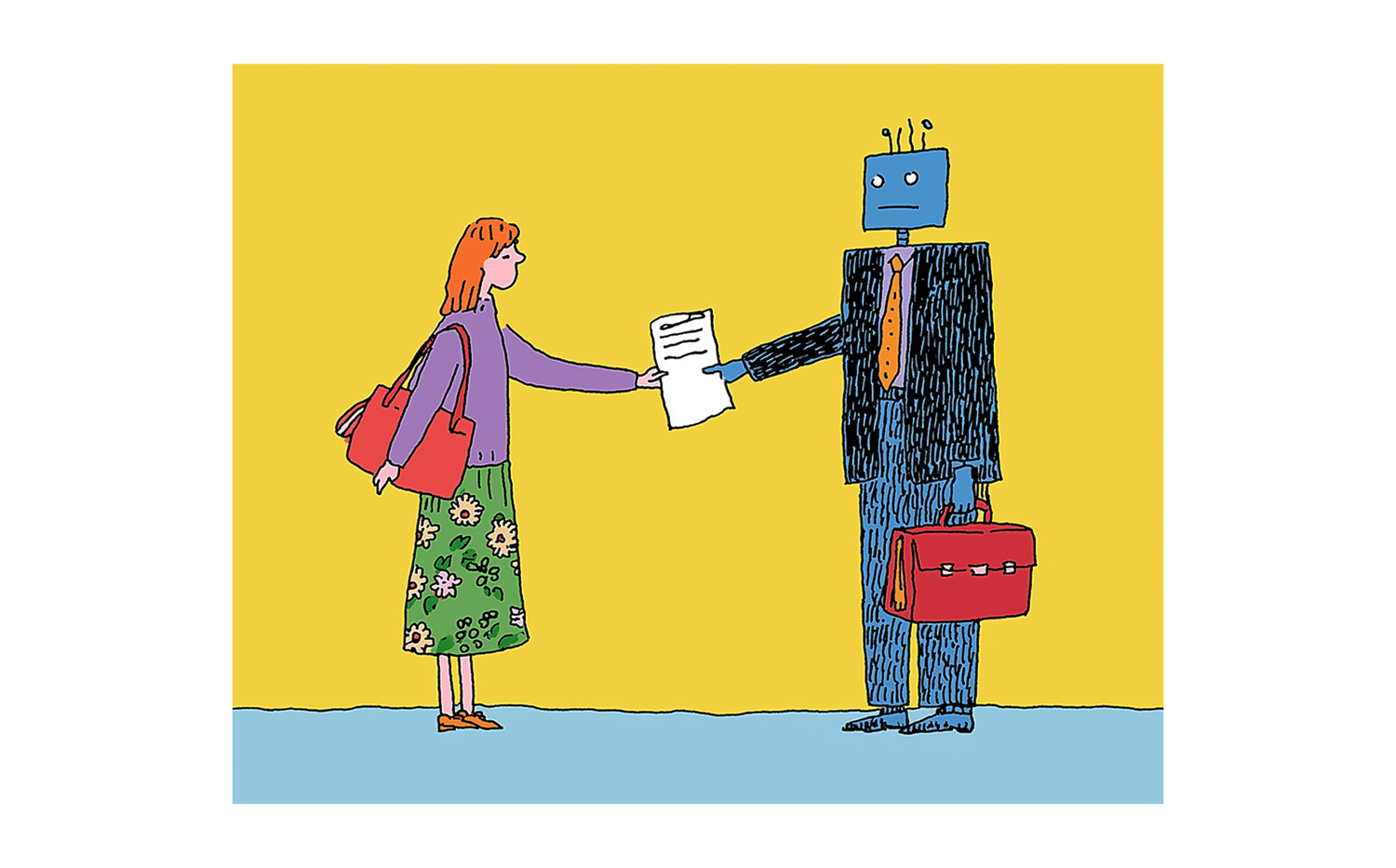
Conversely, if the LLM is part of a RAG system with access to Moku’s knowledge base, the response will realistically be based on actual documentation regarding the company's Git usage, minimizing the possibility of the LLM producing plausible but incorrect information.
In this case, an example response might be: "According to the document 'Git - Guidelines and Best Practices,' several key points and use cases are defined for the ideal use of Git: ..."
Building a RAG System
Building an effective RAG system isn't just a matter of technology; there are two aspects that are particularly critical.
Data quality
One principle always holds true: garbage in, garbage out. If we put rubbish in, we get rubbish back. The quality of the answers depends directly on the quality of the knowledge base:
Obsolete or contradictory data generates inconsistent responses;
Documents that are too long or poorly structured degrade retrieval performance;
A lack of metadata reduces control over the context.
Investing time in data governance is often more important than switching models.
Observability and monitoring
A RAG system must be observable:
Which documents are being retrieved?
With what level of confidence?
How often does the model ignore the context?
Where exactly is the retrieval failing?
Logs, metrics, and tracing allow you to:
Iteratively improve the system;
Identify bottlenecks;
Build internal and external trust.
Without observability, AI remains a "black box."
At Moku, we have tackled two case studies that allowed us to further explore this subject and test its full potential.
In the first case study, we implemented a RAG assistant as an integral part of a mobile app supporting pregnancy and early childhood. In this context, the accuracy of generated content was a non-negotiable requirement: the assistant's responses are based on medical and healthcare information validated by professionals.
Therefore, they must faithfully reflect the knowledge base without introducing ambiguity or improper simplifications. A further requirement was for the assistant to guide the user toward relevant sections, content, and features, effectively turning the RAG system into a guided navigation tool.
For these reasons, our work centered on data quality and structuring, creating a representation of the app specifically designed for retrieval. Simultaneously, integrating this into the user experience required particular care: the chatbot is not an isolated element, but a touchpoint that must fit naturally and coherently into the user journey, ensuring continuity between search, response, and content consumption
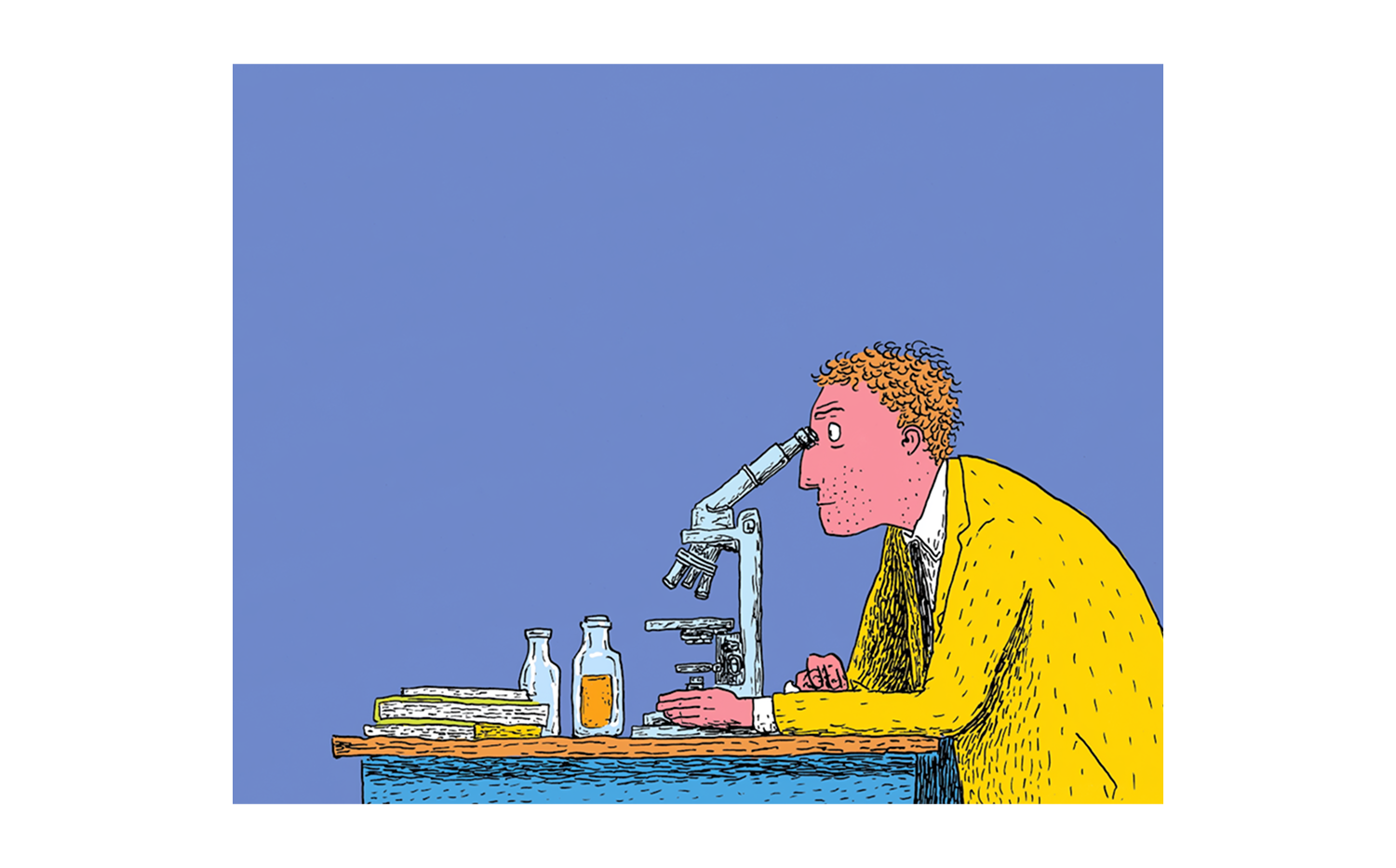
In the second case study, the RAG assistant was designed to support healthcare professionals in accessing a highly specialized proprietary knowledge base, with the added capability of querying specific clinical documentation from the end client.
Here, accuracy is not just a best practice but a technical and regulatory constraint: responses must be precise, verifiable, and aligned with high medical standards; otherwise, trust from an expert user base would be lost.
Consequently, system observability played a central role, allowing us to monitor which sources are retrieved, how the model uses them, and where retrieval might fail.
An additional layer of complexity involved integration with existing services handling sensitive data, such as medical reports and clinical information.
The RAG system design therefore had to include rigorous mechanisms for context isolation, access control, and privacy protection, demonstrating that in high-criticality scenarios, an effective RAG architecture is as much about data engineering and security as it is about language models.
Today, Retrieval-Augmented Generation represents one of the most mature and pragmatic approaches for bringing Generative AI into production. It is neither a shortcut nor a magic bullet, but an architectural pattern that allows for the creation of useful, reliable systems that can be integrated into business processes.
Ultimately, the value lies not just in the model, but in the ecosystem surrounding it: data, pipelines, retrieval, agents, and observability. This is where AI stops being a demo and becomes a true professional tool.