
How designers help tech companies build bridges between people and technology.
In many software houses, design always comes later. After the APIs have been written, after the logic is ready, after the product "works."
But a product that works isn't necessarily a good product. It's just a product that meets a technical requirement, not always a human need.cAnd this is where the designer comes into play: not as a decorator or as the last link in the chain, but as a voice capable of bringing humanity into technology, of giving meaning and form to what code, alone, cannot communicate.
A presence to build, not to impose.
Bringing design culture into an environment dominated by developers and engineers is never an immediate process. At first there may be mistrust: "Why do we need a designer if the product does what it's supposed to do?" The answer is simple but profound: because doing isn't enough, you need to understand.
Understanding how people will use what we build, why certain technical choices work or don't, where the experience breaks down and how to improve it. A designer works precisely on this boundary: translating languages, connecting disciplines, building bridges between engineering, communication, psychology, and visual culture.
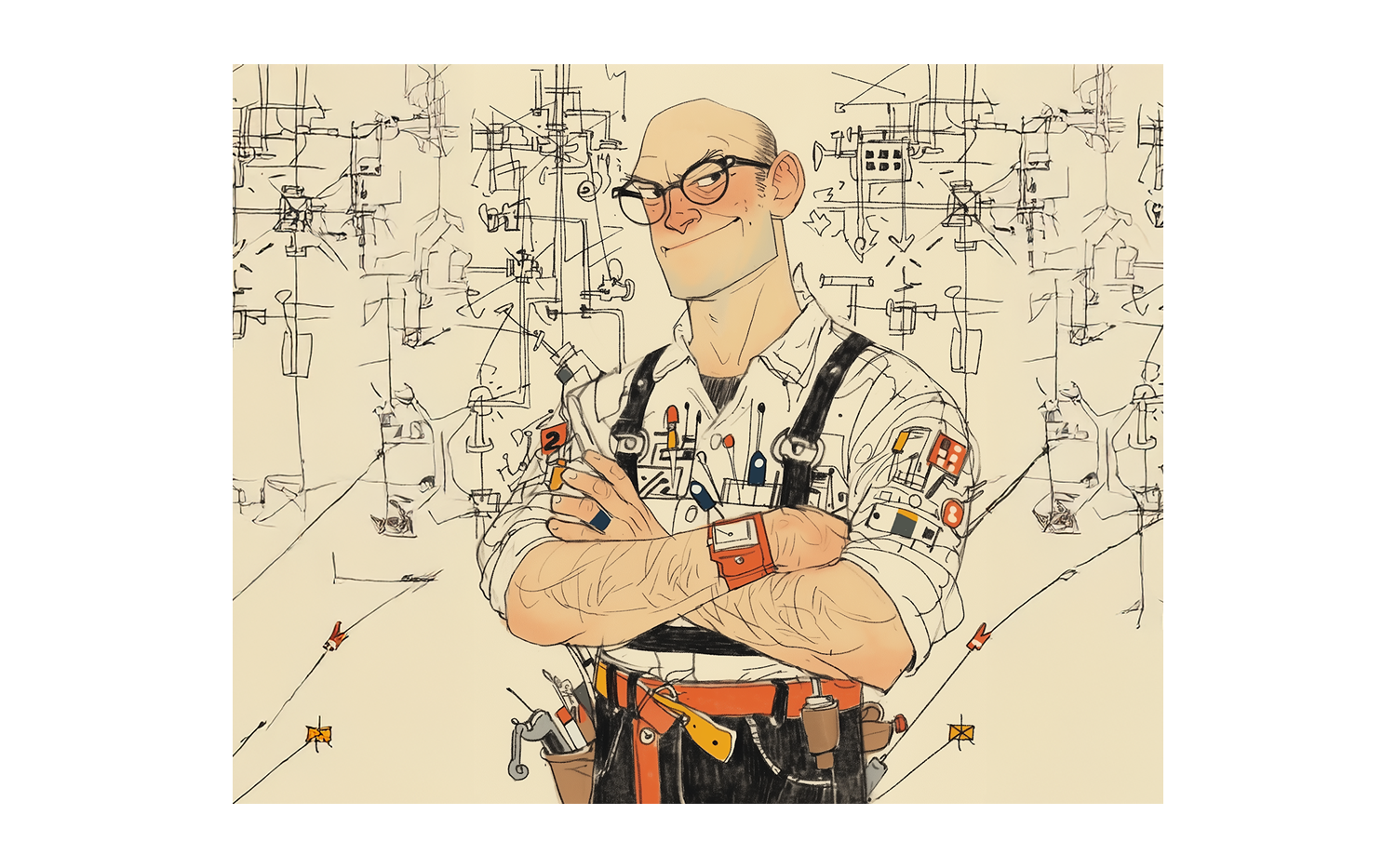
Their strength lies in cross-cutting vision, that mix of vertical and horizontal skills that, in jargon, we call T-Shaped Skills. Knowing how to design an interface isn't enough. You need to understand human behavior, the semantics of language, the logic of code, and the complexity of systems. Only then does design become a shared practice, not a separate department.
From form to strategy.
Over time, the team begins to understand that design isn't "a phase" of the project, it's a way of looking at problems. When designers are involved from the beginning, in kickoffs, in technical decisions, in defining flows, something changes. Meetings become clearer, conflicts decrease, and even developers start thinking in terms of experience, not just functionality.
Design brings a method made of exploration, testing, and continuous reflection. But above all, it brings a fundamental principle: every visual or functional choice must be intentional. A designer doesn't just do; they know why they do what they do. It's this awareness that transforms them from executor to author, from operator to guide.
Judgment as a form of leadership.
Over time, another often underestimated aspect emerges: design leadership. Not the kind measured by the number of screens produced or presentations made, but the kind born from judgment. Knowing how to read a context, choosing when to push an idea and when to give space to others. Knowing when a prototype is "good enough" to be tested, or when it's worth starting over from scratch. It's this balance that builds trust.
Building knowledge, not just competence.
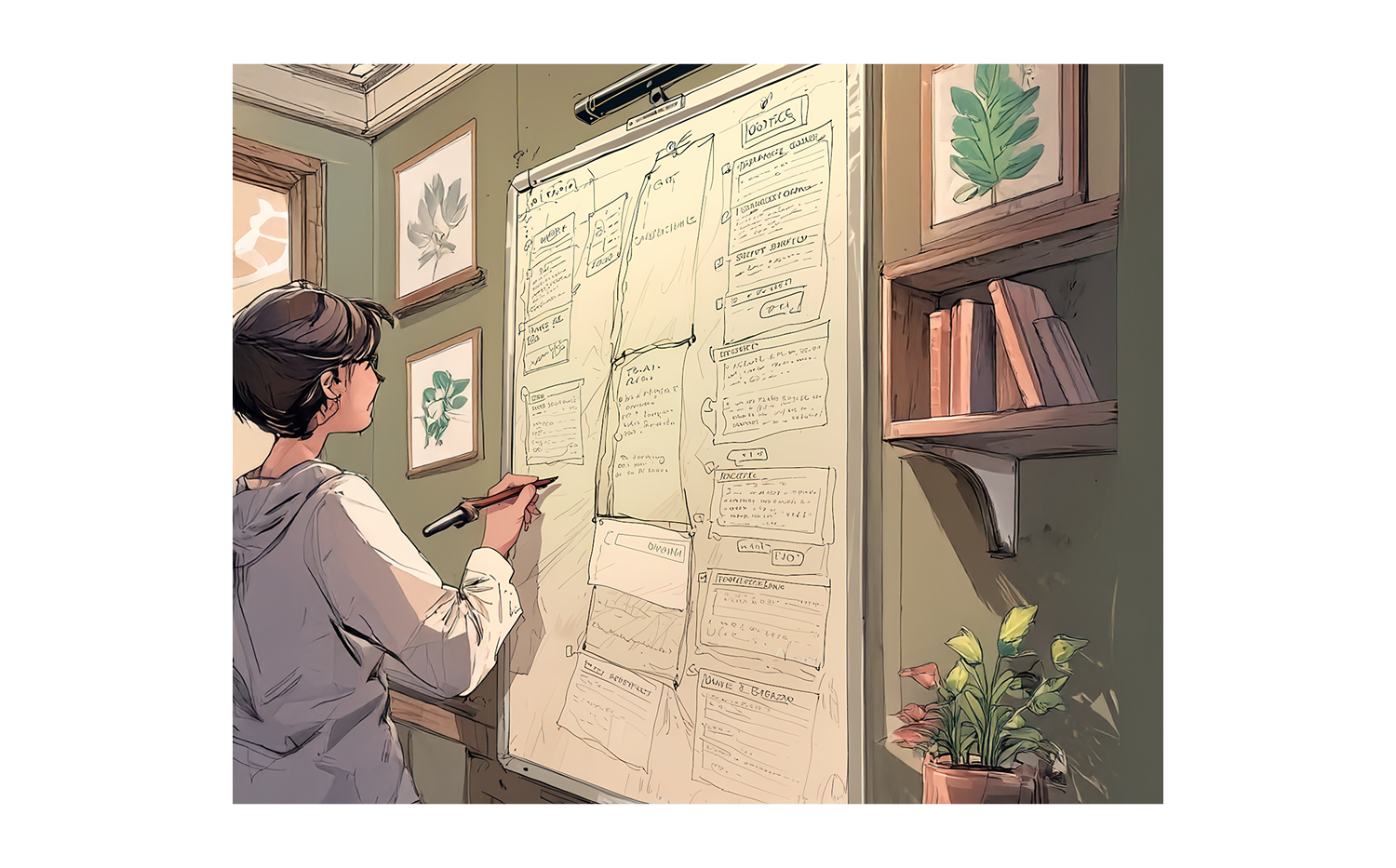
Design, in tech companies, only grows if it becomes shared knowledge. Knowing the tools or basic principles of usability isn't enough: critical reflection is needed. As research on design knowledge shows, knowledge in design is something built over time, through practice and awareness of one's choices.
A designer who reflects on what they do, on mistakes, on successes, on user reactions, develops a form of knowledge that goes beyond procedure: it becomes reflective knowledge. It's what allows understanding not only what we're doing, but why we're doing it this way. And this knowledge, when shared, elevates the entire team: developers begin to ask new questions, PMs listen more, and design becomes a common lens through which to read problems.
When design changes company culture.
There comes a moment when the change is visible: not in the colors of interfaces, but in the way the team thinks. Questions become deeper, decisions more conscious, and the value of design stops needing to be "explained" because it's now part of the company. It's at that moment that a software house becomes truly mature from a design perspective: when it understands that design doesn't serve to "make things beautiful," but to make things right, for those who use them, for those who build them, and for those who guide them.
Bringing design culture into a developer-driven company is a journey made of listening, patience, and intentionality. It's not about imposing a method, but about building a common language that unites the precision of code with sensitivity to human experience.
When design becomes part of the process, the value isn't only visible on screen, but in the people who make it possible. And it's then that a digital product stops being just software, and becomes an experience that truly works.